
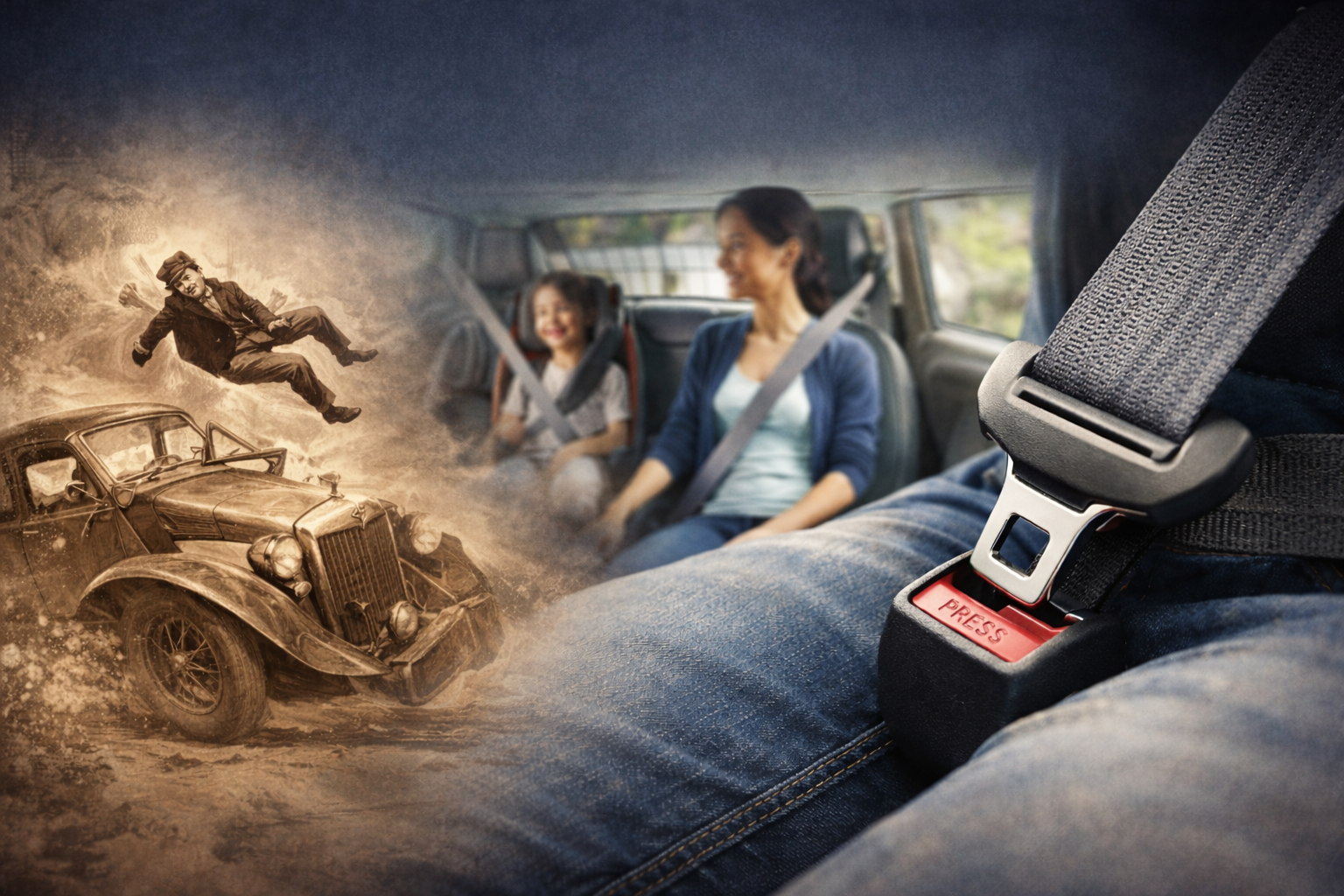
The Importance of Seat Belts
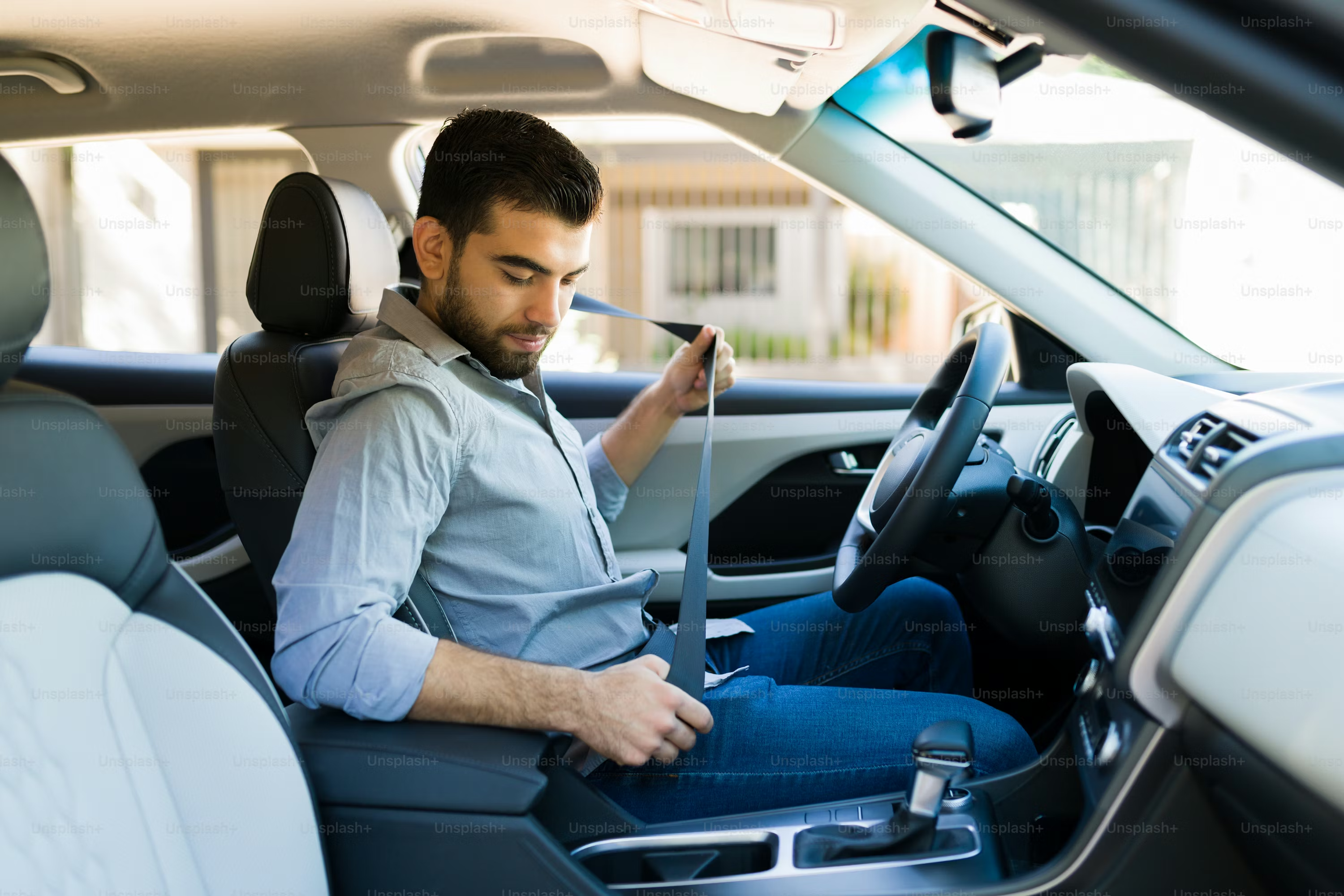
Seat belts are one of the simplest yet most effective safety features in a vehicle. They are designed to protect occupants by keeping them securely positioned in their seats during sudden braking or accidents. Without wearing a seat belt, a person can be thrown forward due to the force of impact, which can result in serious head, chest, or spinal injuries.
Many drivers and passengers ignore seat belts, especially during short trips or while driving at low speeds. However, most road accidents happen unexpectedly and even at moderate speeds. Not wearing a seat belt increases the chances of severe injury and also puts other passengers at risk inside the vehicle.
A properly worn seat belt spreads the force of a collision across stronger parts of the body such as the chest and hips. It also allows safety systems like airbags to work correctly. Without a seat belt, airbags alone cannot provide full protection and may not prevent injury during an impact.
In this guide, you will learn about the importance of seat belts, their history, and how to use them correctly. Making seat belt use a regular habit can greatly improve road safety and help protect both drivers and passengers on every journey.
The Importance of Seat Belts
Seat belts are one of the most essential safety features in modern vehicles. They are designed to protect drivers and passengers by holding them securely in place during sudden stops, sharp turns, or collisions. Without a seat belt, the force of impact can throw a person forward into the steering wheel, dashboard, or windshield, causing serious head, chest, or spinal injuries. Over the years, advancements in automotive safety have made seat belts stronger and more reliable, working together with airbags and other protective systems. Wearing a seat belt not only reduces the chances of fatal injuries but also improves overall road safety for everyone inside the vehicle. Making it a habit to buckle up before every journey is a simple step that can save lives and ensure a safer driving experience.
Why Seat Belts
- Reduces the risk of serious injury during accidents
- Keeps the driver and passengers securely in their seats
- Allows airbags and other safety systems to work effectively
- Prevents passengers from being thrown out of the vehicle
- Improves overall road safety and saves lives
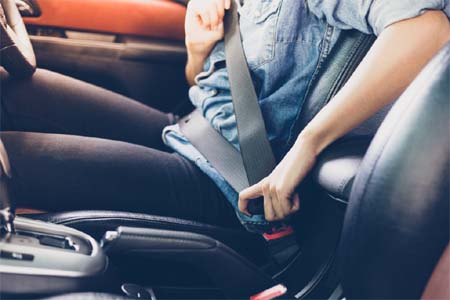
Why wearing a seat belt is important?
Seat belts are a simple yet life-saving safety feature designed to protect passengers during sudden braking, sharp turns, or road accidents. Without a seat belt, a person can be thrown forward due to the force of impact, hitting the steering wheel, dashboard, or windshield. This can lead to severe head, chest, and spinal injuries even in low-speed collisions.
Wearing a seat belt keeps the driver and passengers securely positioned in their seats and allows other safety systems, such as airbags, to function properly. Over the years, road safety studies have proven that seat belts significantly reduce the chances of fatal injuries.